Legal Virtual Assistant Services: What They Cover and How to Choose One

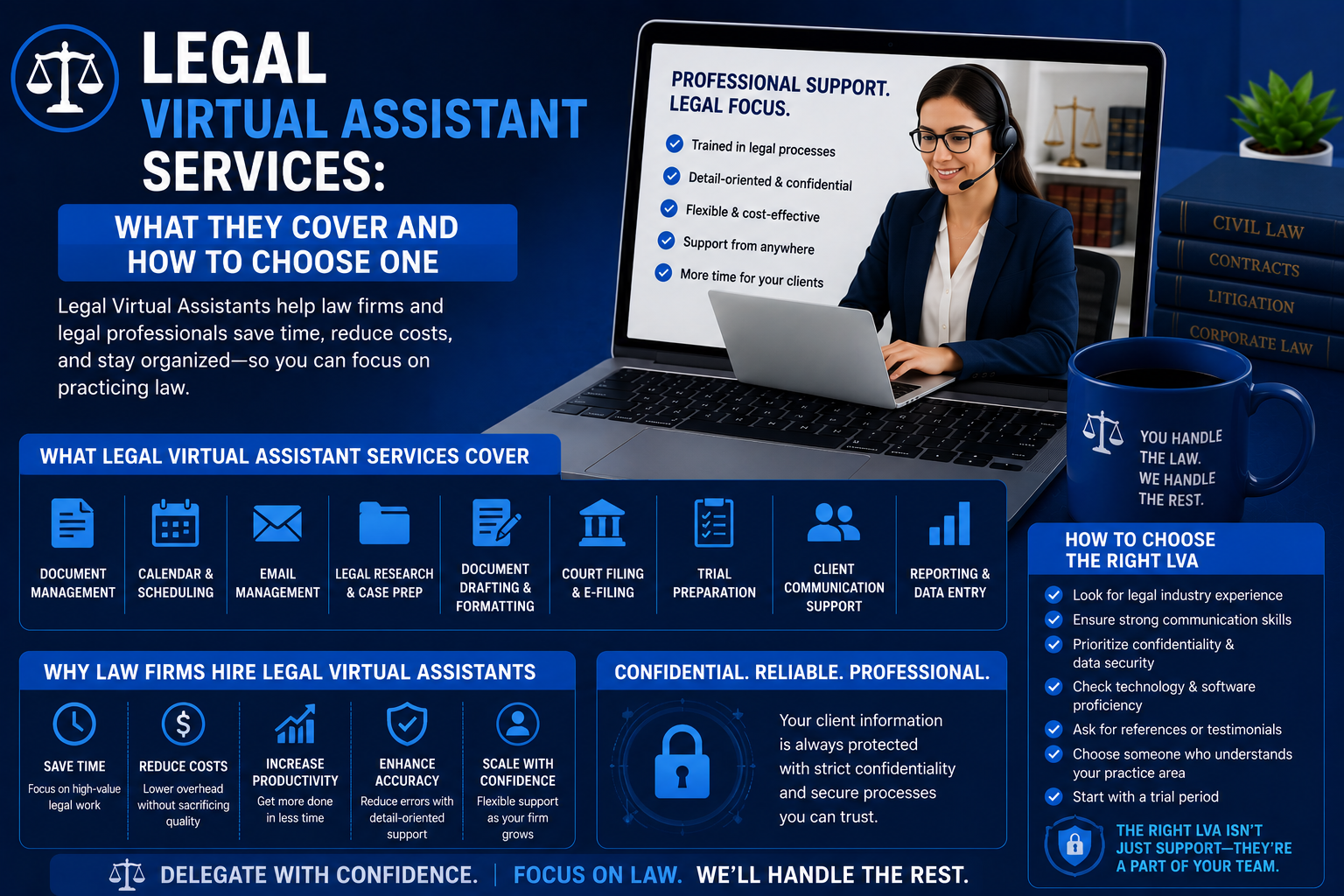
Virtual assistants specializing in the legal field provide solo practitioners and smaller law firms with access to administrative help without the costs of hiring full-time staff. Since the work is confidential and process-oriented, there are certain aspects of legal virtual assistance that are unique. Here’s what legal virtual assistants do.
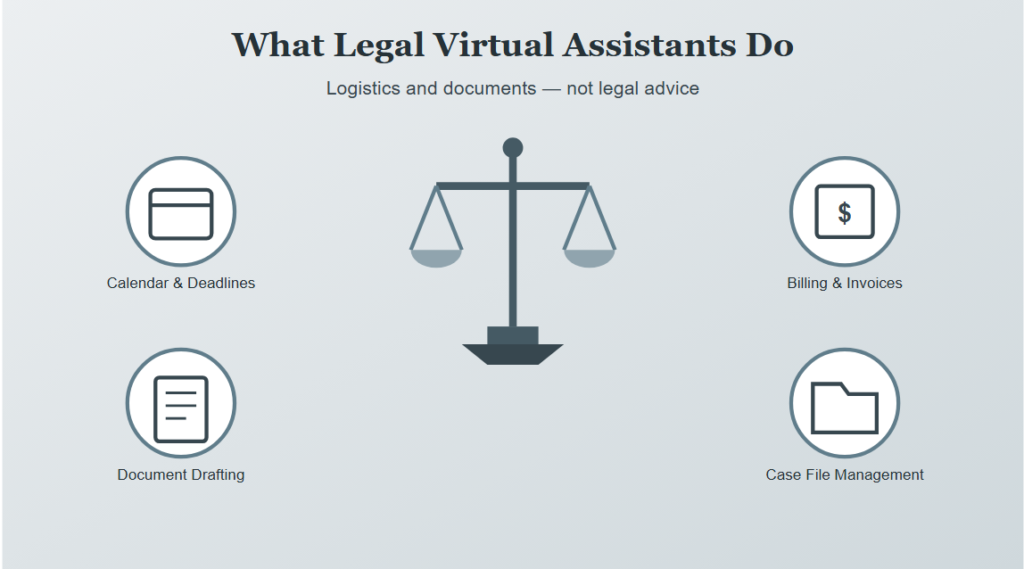
What Legal Virtual Assistants Do
Legal VAs perform a variety of tasks based on the specialty of the lawyer. However, there are some general tasks that they might have to undertake. These include:
- Client intake: responding to initial queries, scheduling appointments
- Managing calendar for court hearings, deadlines for document submission, and meetings with clients
- Document drafting: writing letters, preparing documents to be filed in court
- Legal research assistance (under lawyer’s supervision, virtual assistants do not give legal advice)
- Billing and invoices, including billing hours
- Managing case files on legal software
- Transcription of recorded information
Let’s point out clearly that legal VAs assist lawyers, but they don’t provide legal services themselves. Legal advice and judgment may be provided only by a licensed lawyer, while legal virtual assistants just handle logistics and documents preparation.
Why Law Firms Use Legal Virtual Assistants
It may be difficult for solo practitioners and small law firms to hire a paralegal or office manager because of changing caseloads. Legal VAs will help with all this at a much lower price.
Skills That Matter Most
- Experience with legal practice management software programs (Clio, MyCase, PracticePanther)
- Excellent knowledge of confidentiality policies (attorney-client privilege extends to the supporting personnel)
- Attention to deadlines (failure to file on time may have legal repercussions)
- Knowledge of legal language and document formats
- Confidential handling of sensitive client data
Specializations Within Legal VA Work
Others focus their skills on certain areas of law, where their fees are much higher:
- Family law (custody scheduling, sensitive communications)
- Real estate law (closing coordination, preparation of title documents)
- Personal injury (requests for medical records, case progress reports)
- Immigration law (filling out paperwork, tight deadlines)

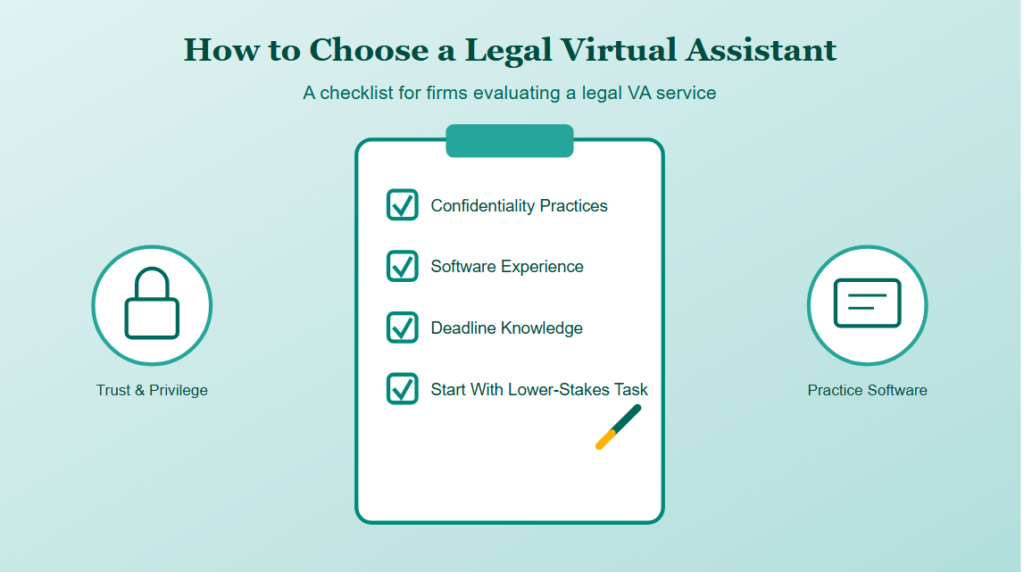
How to Choose a Legal Virtual Assistant Service (If You’re a Firm)
1. Verify Confidentiality Practices
Check on confidentiality issues, especially how patient information is handled.
2. Check Software Experience
Evaluate their experience using your particular practice management software.
3. Confirm Knowledge of Deadlines and Filing Procedures
Be sure they understand all deadlines and paperwork for your area.
4. Start With Lower-Stakes Tasks
Begin by assigning them a small task to see how they do.
How to Break Into Legal VA Work
- Previous work experience as a paralegal, legal secretary or an office administrator in a law firm will be relevant to the job
- Learn how to use at least one leading legal practice management software program
- Learn the basics of confidentiality and ethical obligations of legal assistants
- Clearly state that in your marketing message that you do not give legal advice, this will instill confidence in attorneys concerned about liability issues
Final Thoughts
Being a virtual assistant to lawyers requires a much higher level of trust and professionalism compared to other types of jobs as an error made in such position may have legal and monetary consequences. From the firm’s perspective there is a true benefit without practicing law risk. On the other hand, prior related experience and strict adherence to deadlines make the difference between a generalist and legal VA.